
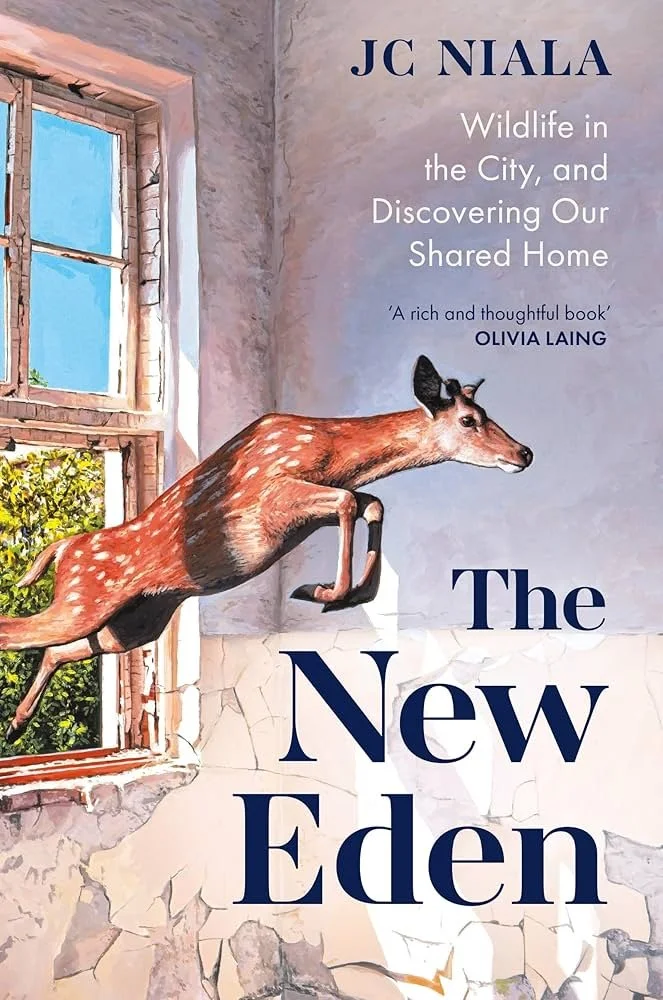
The New Eden: Wildlife in the City and Discovering Our Shared Home
My first full-length nature book begins with a simple correction: cities do not belong to humans alone. Moving through memoir, social history and cultural commentary, it explores what becomes possible when urban wildlife is treated as a neighbour rather than scenery.
The book’s breadth is also its gamble. It is neither a conventional field guide nor a tidy policy prescription; instead, it asks readers to sit with the messier cultural, historical and emotional work of learning to share a home.
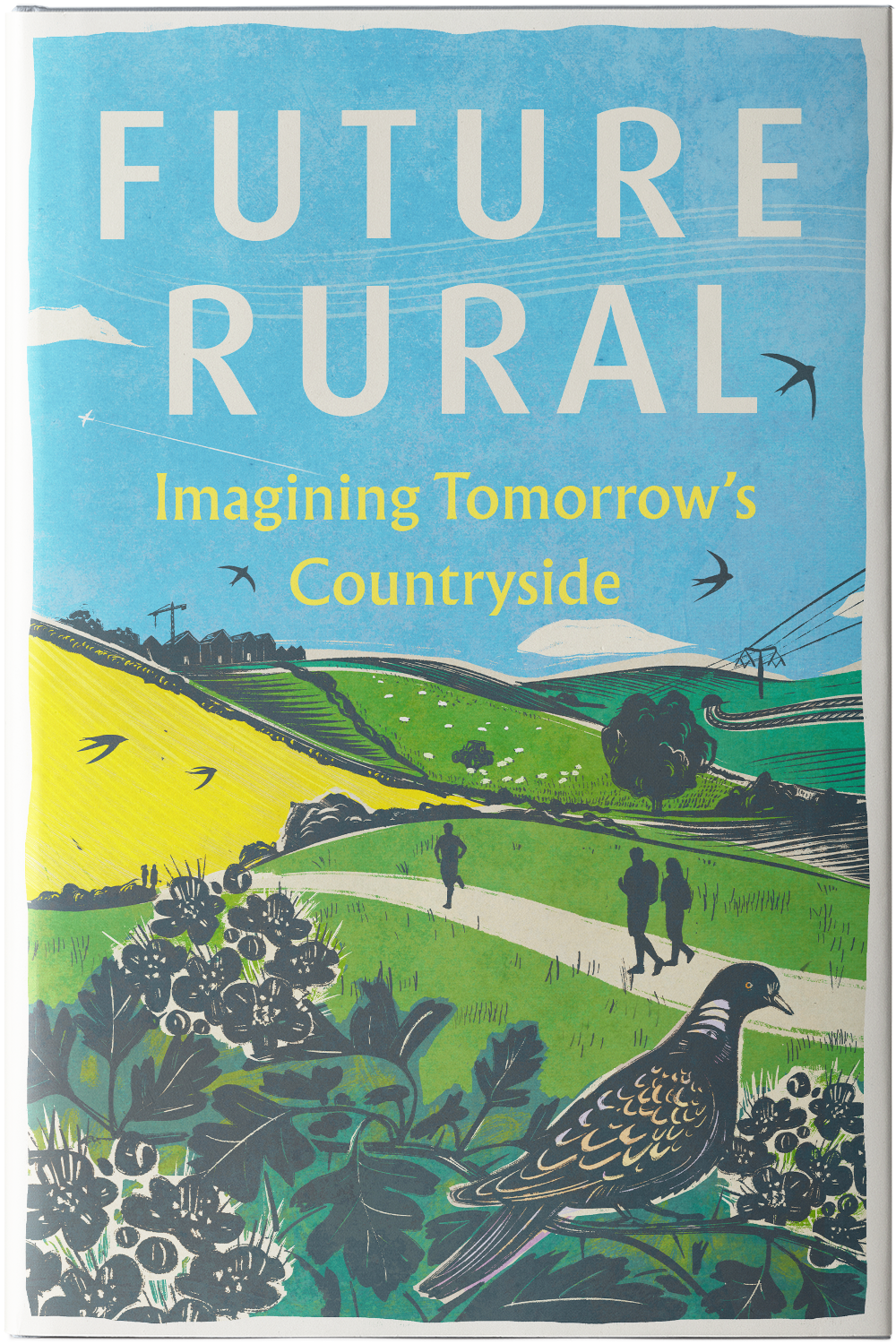
Future Rural: Imagining Tomorrow’s Countryside
I contribute the chapter ‘Return to Utopia’ to this collection of essays and poetry asking what the English countryside might become over the next century. It is a call to action and a celebration of the centenary of the Campaign to Protect Rural England.
A genuinely original and striking window onto how people in all sorts of circumstances across Britain have come together of their own accord over time, finding in the cultivation of the land the key to a better sort of life.
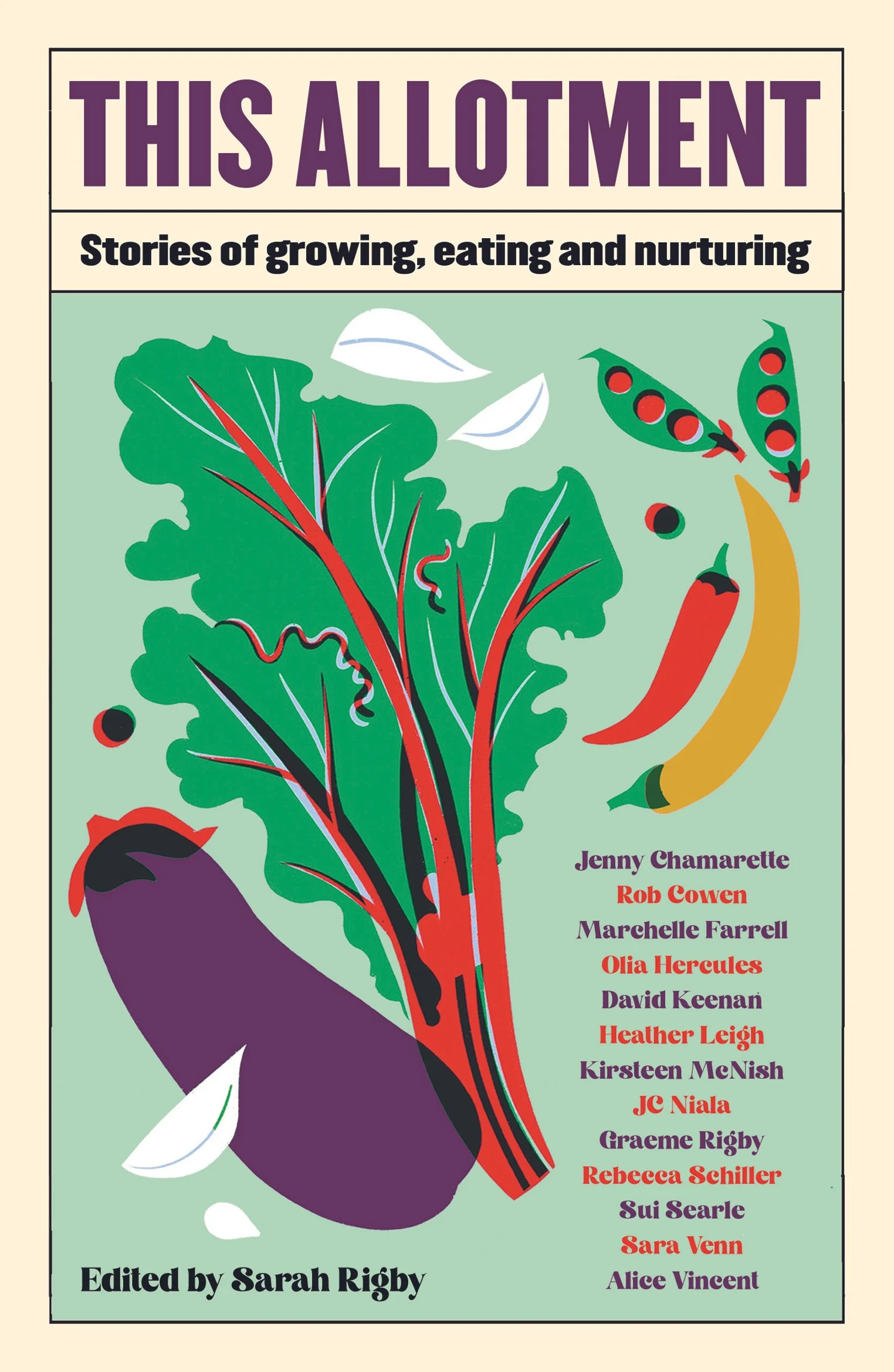
This Allotment: Stories of Growing, Eating and Nurturing
My contribution draws on ethnographic research conducted on an Oxford allotment and highlights the role of women on allotments. The chapter looks beyond vegetables and sheds to the relationships, negotiations and small acts of world-building that take place on a shared piece of land.
The Waiting List
Created with Julia Utreras and Sam Skinner in collaboration with Greenpeace UK, this artist book documents a project that transformed national allotment waiting-list data into a vast, allotment-sized artwork made from seed paper.
This is not a conventional narrative book. Its strength lies in the collision of evidence, material form and public intervention; readers looking for a linear campaign history may find it deliberately fragmentary, but the physical object is part of the argument.
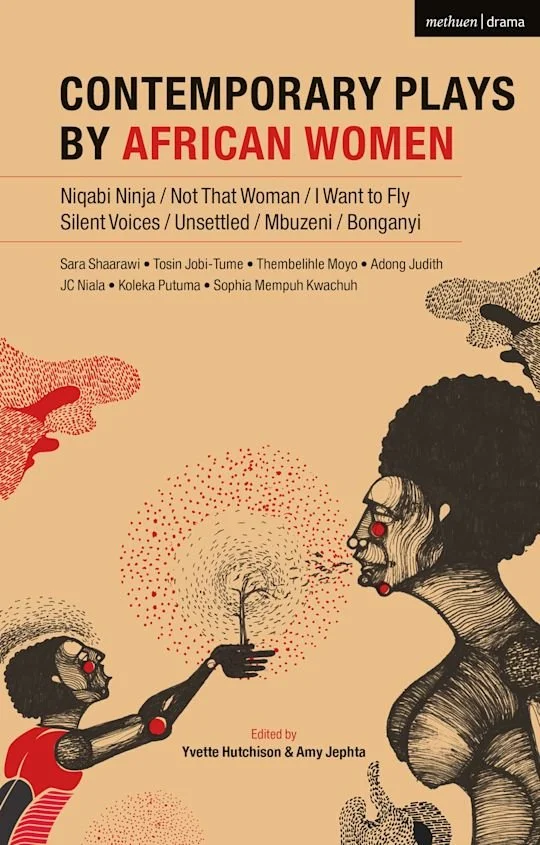
Contemporary Plays by African Women
This Methuen Drama anthology includes my play Unsettled, alongside work by Sara Shaarawi, Tosin Jobi-Tume, Thembelihle Moyo, Adong Judith, Koleka Putuma and Sophia Kwachuh Mempuh.
Its range is a welcome corrective to the idea that African women’s theatre forms a single tradition. Seven plays cannot—and should not be asked to—represent a continent, so the collection is best approached as an opening into a much larger theatrical landscape rather than a definitive survey.